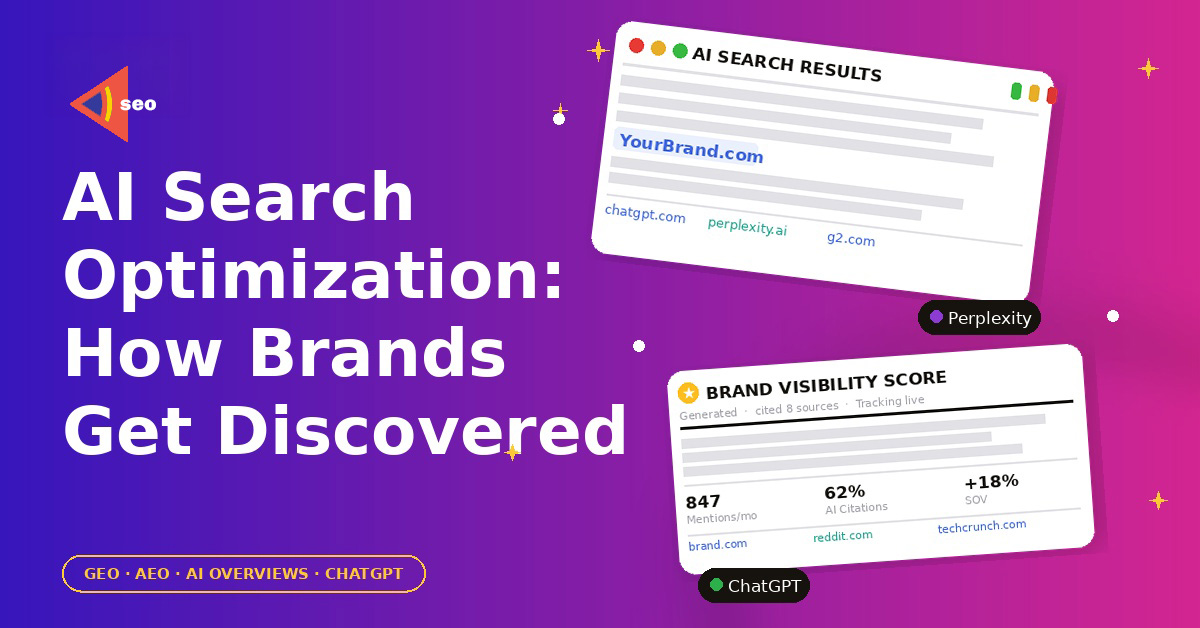
If you ask ChatGPT which running shoe will cure flat feet, which VPN really works in Europe, or which project management tool to get the best bang for the buck, you get a confident, specific answer that is being produced by an AI without seeing a single website. No blue links. No 10 results to click through. Maybe two or three names, and a half-formed choice before anyone even writes a follow-up question.
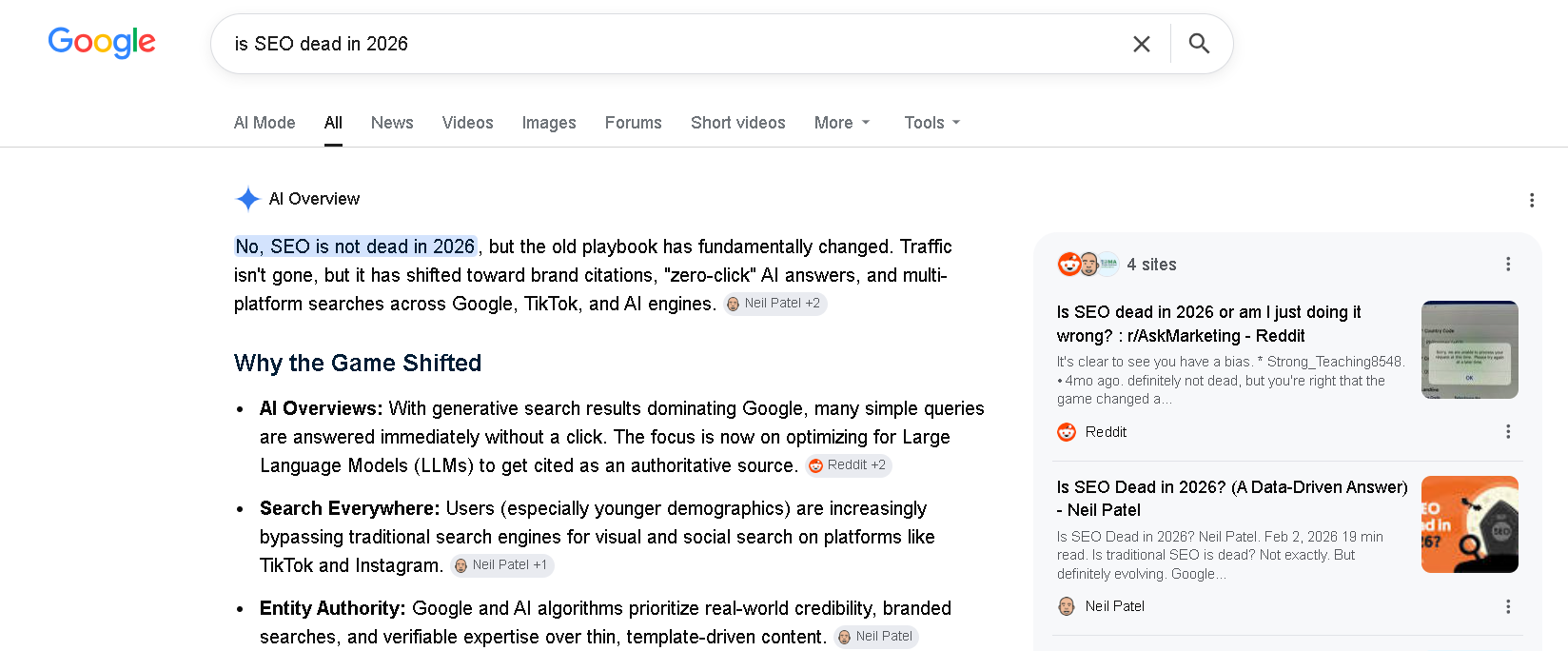
That is the new reality of AI search optimization: 65% of all searches on Google now end with not a single click to any site. In the US, daily AI search usage has jumped from 14% to nearly 30% in just one year. Whatever the term of art the industry prefers, Generative Engine Optimization (GEO), Answer Engine Optimization (AEO), or simple AI SEO, there’s one phrase from a media strategist that captures what was different: The competition is no longer for position number 1; it is to be mentioned within the answer itself. And brands that haven’t prepared for brand visibility in AI answers are already losing customers; they will never know they’ve lost.
How AI-Powered Search Actually Works
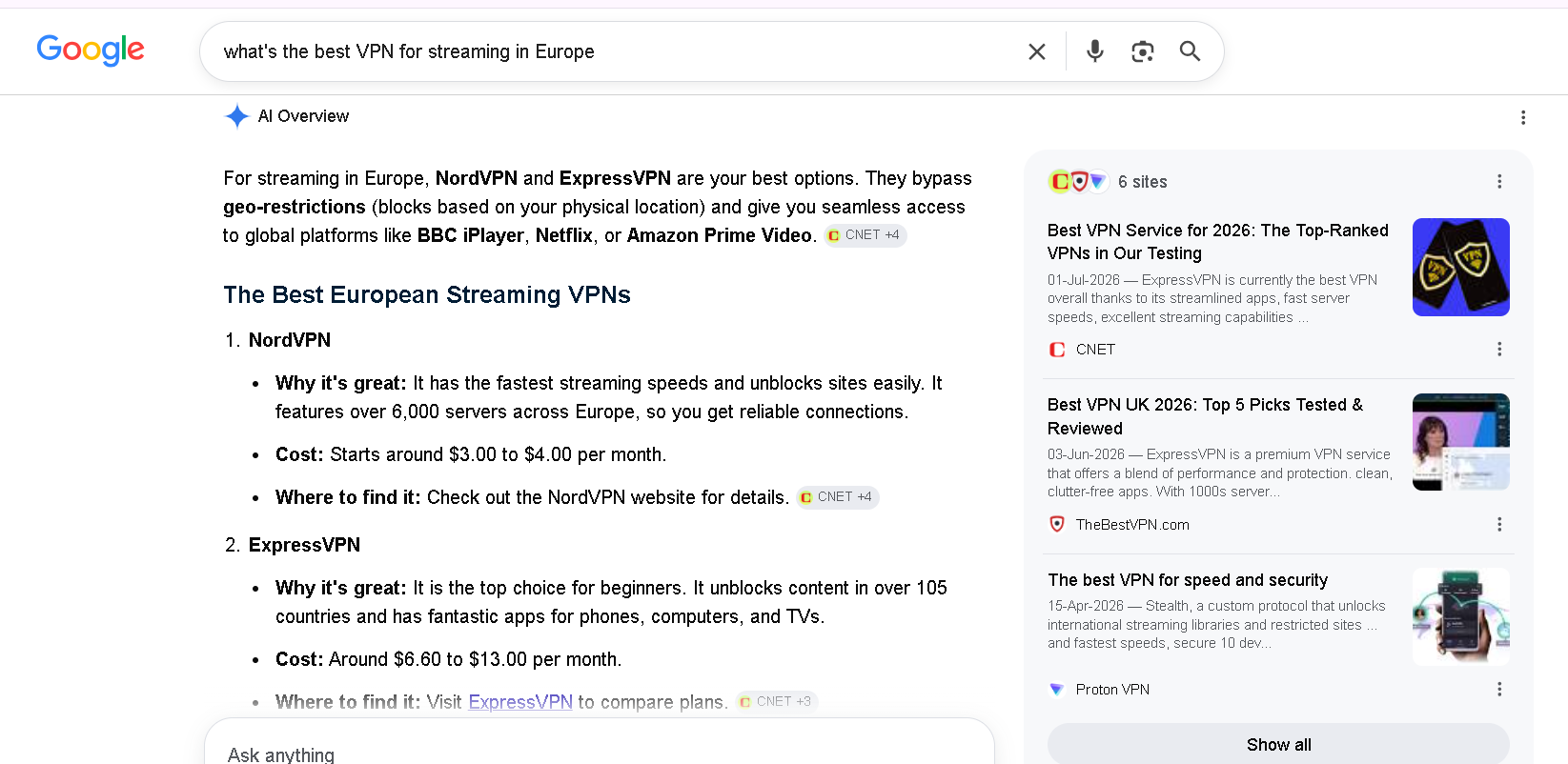
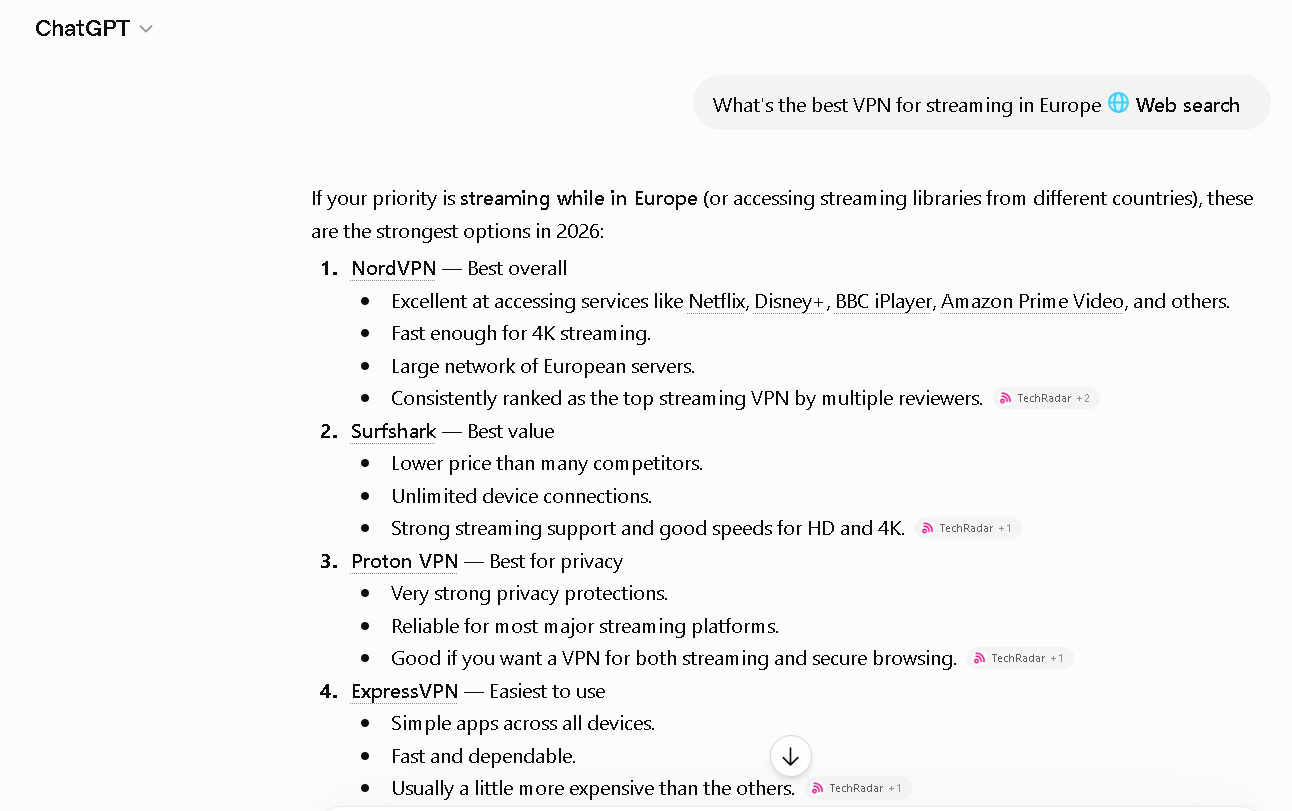
Traditional search engines are indexed by page, and you have to pick. Generative engines skip that step. Instead of looking for the entire sentence like with a traditional query, when we ask ChatGPT or Perplexity something, it splits our question into multiple smaller “fan-out” queries, searches each fan-out separately, and assembles the results into one final conversational response. This is why ChatGPT optimization now matters for brands that want to understand how to appear in ChatGPT answer results. If you were to ask “best VPN for streaming Europe” to this assistant, it may be searching separately for “best VPN 2026,” “VPN Netflix streaming,” and “VPN servers Europe” and combining whatever ranks well between all three.
All platforms are reliant on different signals.
ChatGPT Search works by crawling the web via Bing’s indexing as well as its very own OAI-SearchBot, which utilizes a lot of structured data to find sources it can truly trust.
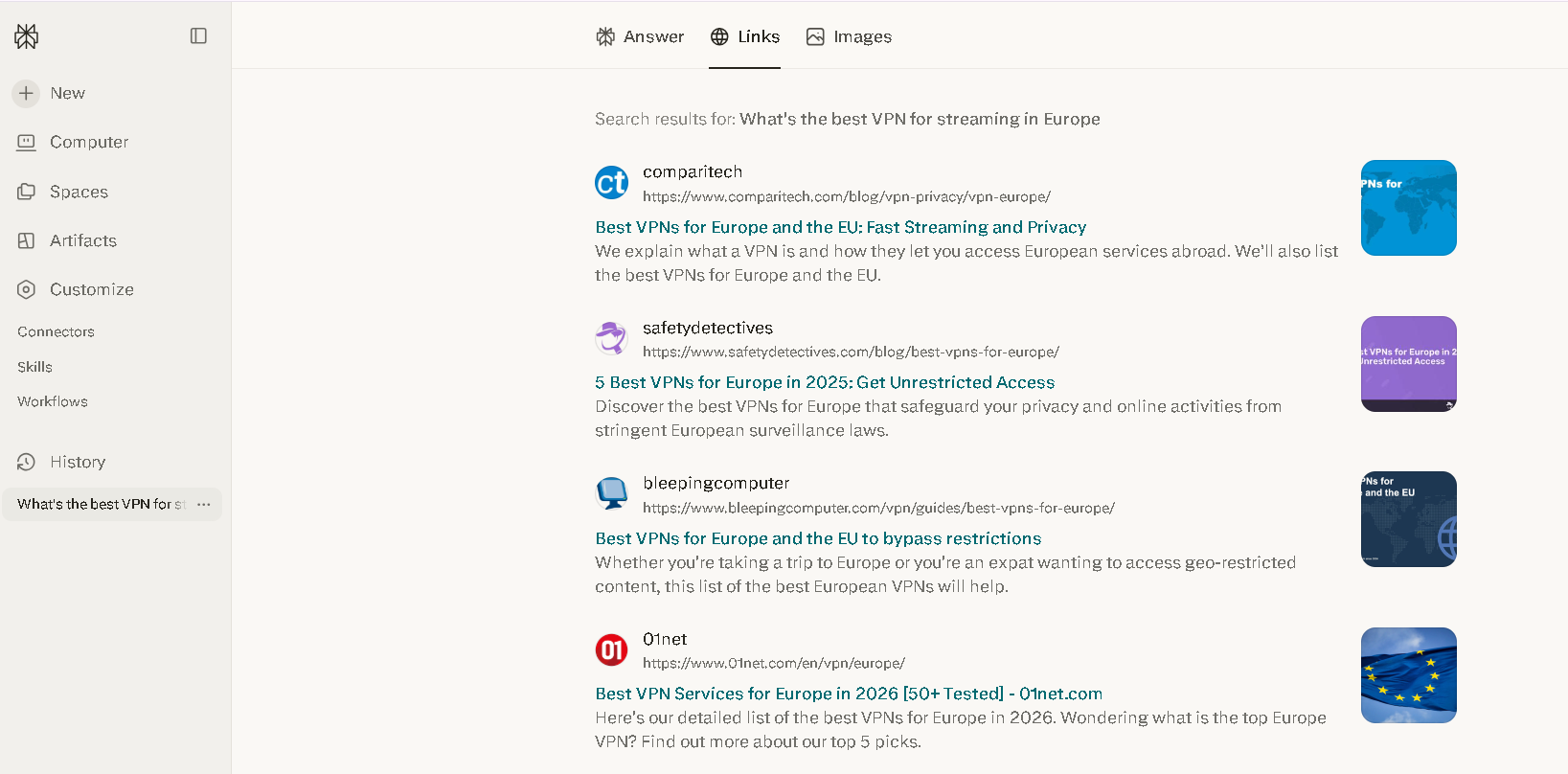
Perplexity gathers a few sources per answer, with footnotes. Google’s AI Overviews integrate with its existing search index and give preference to web pages with valid schema markup found in Search Console.
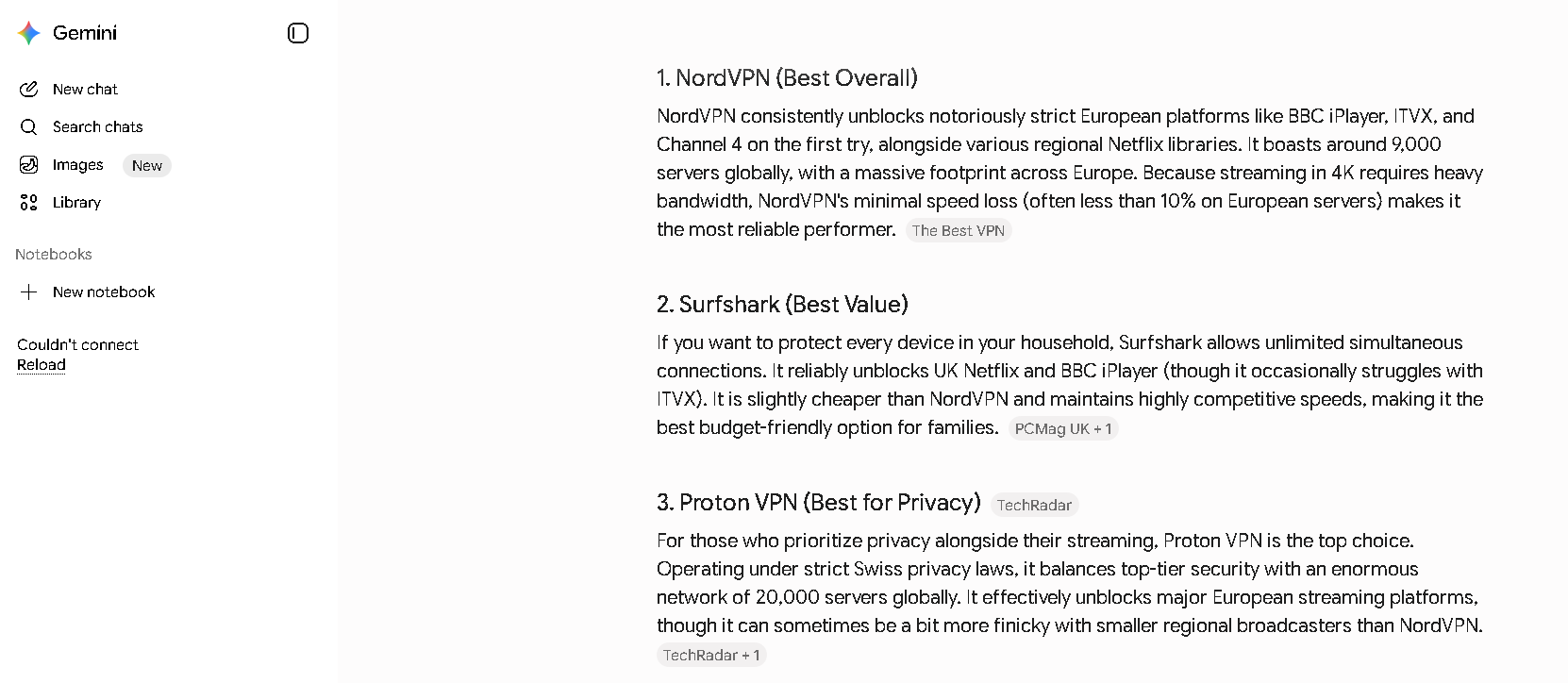
Gemini is so tightly integrated into Google’s infrastructure that it has a tendency to favor the same sites that naturally do well in organic results.
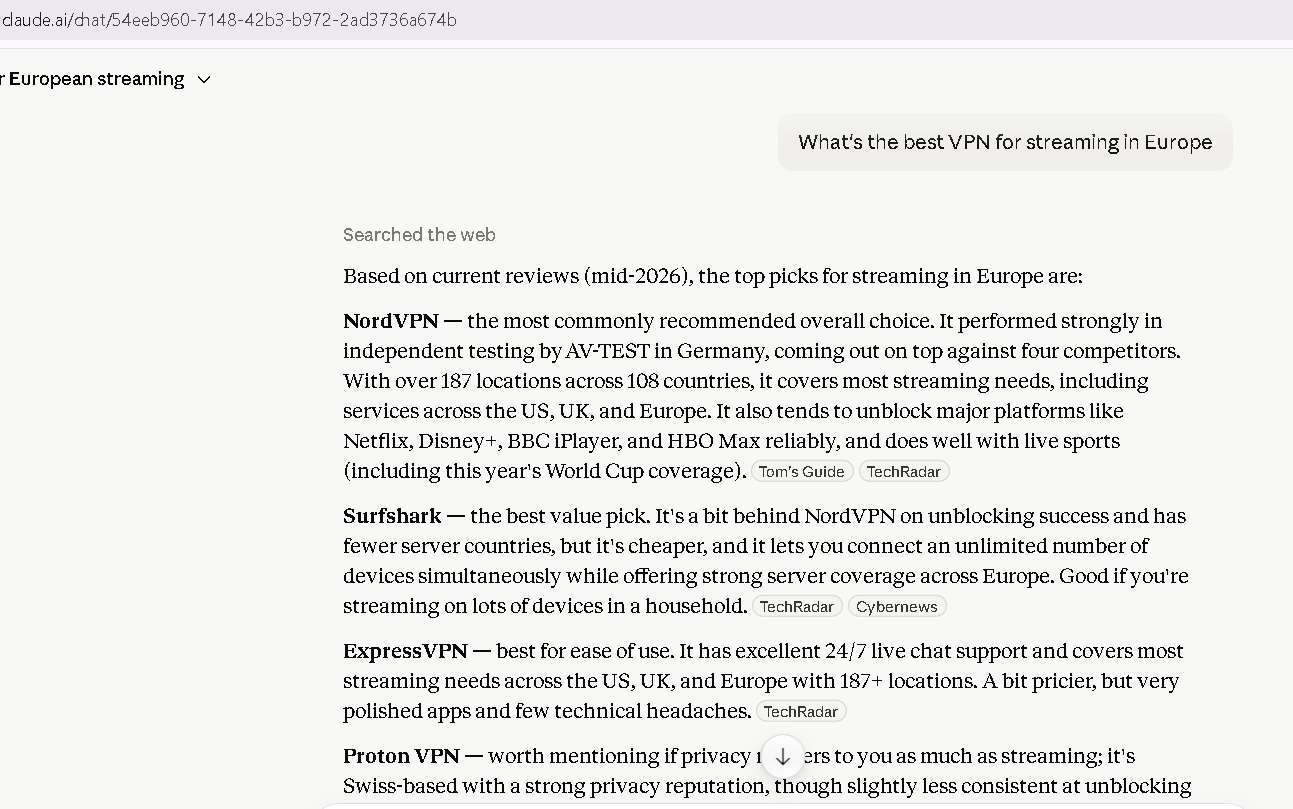
In contrast, Claude is more of a synthesizer rather than an answering engine, relying on information that is cleaner, well-structured, and concise in logical flow.
A single number encapsulates how this has scrambled the old playbook: the overlap between Google’s top-10 organic results and what AI engines refer to has shrunk from around 75% in mid-2025 to 17%-38% as of early 2026. It is no longer possible to appear in a Google Answer simply because we rank well, and the page that occupies position 15 with structured data cleaned up is already launching ahead of the page that was sitting in position one.
What Brands Are Actually Doing to Be Present
The brands gaining AI search visibility via AI by 2026 aren’t chasing hacks; they’re doubling down on fundamentals and adding a few AI-specific layers.
Structured Content And Schema Markup
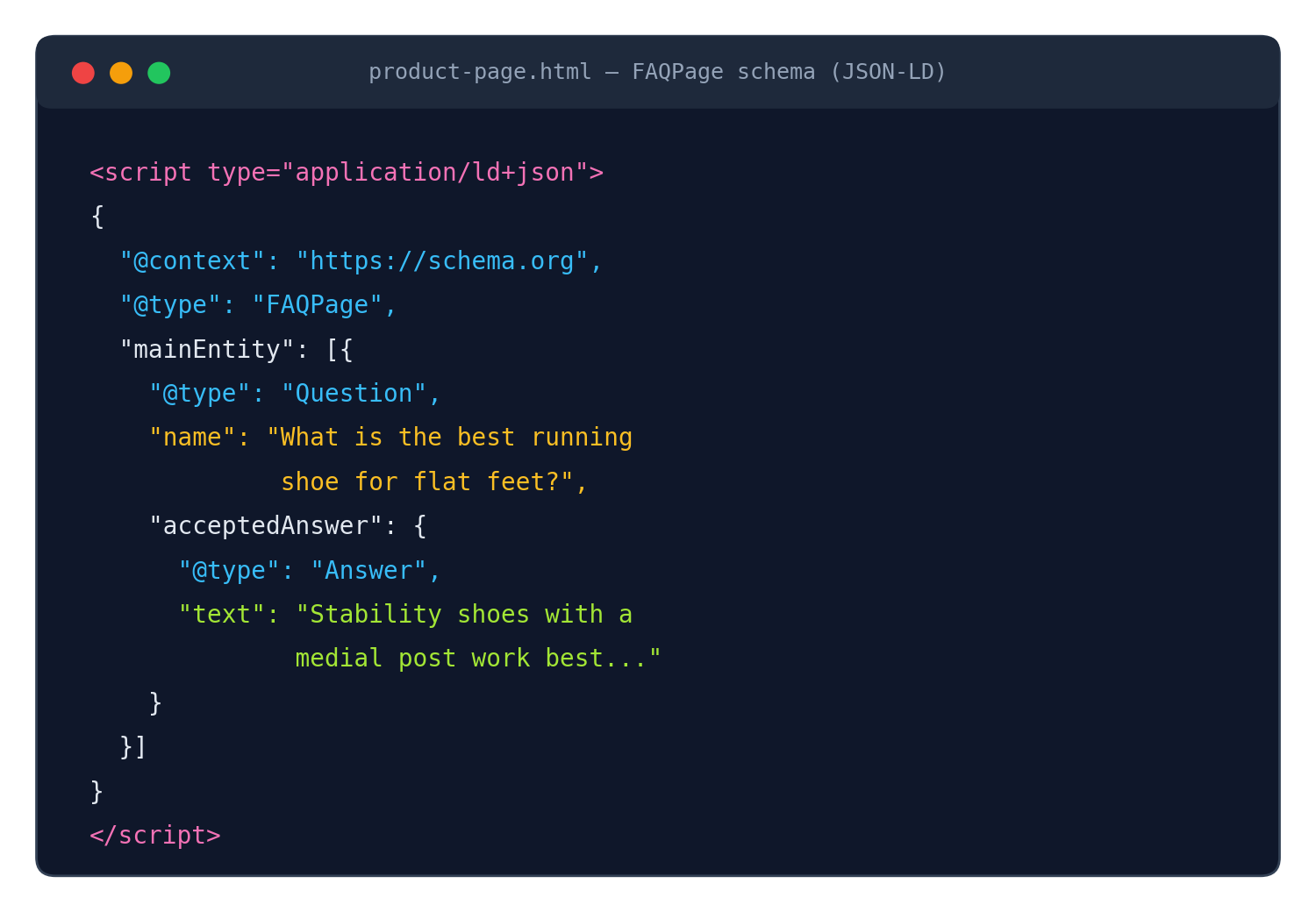
JSON-LD is essentially the closest thing that AI crawlers have to a universal language that they can read and understand what a page is about without guessing. The data that will get a product card for your item in ChatGPT is schema, specifically, product schema (name, brand, price, availability, and review data). The FAQ Page schema is what transforms a support article into an answer you can cite. We know that pages with full schema are linked about three times more often in AI Overviews than without, and one controlled experiment showed a 19.72% lift in visibility for AI Overviews simply from the addition of entity-linked structured data. This is where structured content becomes one of the strongest foundations of content optimization for AI.
Conversational, Question-First Content
Pages answering the question right away in the first few lines are rewarded by AI systems over those dropping hints leading up to it. Instead of a keyword-stuffed header like “Running Shoe Benefits,” brands are writing How to find the best running shoe for flat feet. And then addressing that assumption in the first two sentences. This is far more likely to land a skincare brand being listed with an answer in the AI overview for “best moisturizer for sensitive skin” than it is a competitor with their answer three paragraphs down. The same principle that once helped brands win featured snippets is now becoming central to AI answers.
Authoritative, Third-Party-Backed Content
Research from the academic world on citation bias already shows an overwhelming preference for earned media and independent verification in AI engines over altruistic citations of brand-owned claims. Hence, community platforms are just as important to paid companies anymore; Reddit, YouTube, and LinkedIn ranked among the top domains referenced by large language models, and Reddit itself has around 100 million daily active users generating exactly the kind of unfiltered brand discussion these models consume.
Freshness And Original Data
AI engines weigh recency. An article titled “A Guide to 2024” gets outperformed by its 2026 counterpart on the same topic (but with no updates). If the only option is to cite one of 12 near-identical competitors, what reason does an AI engine actually have for citing you instead, unless you publish some proprietary research, benchmarks or a dataset that nobody else has?
Multi-Platform Visibility
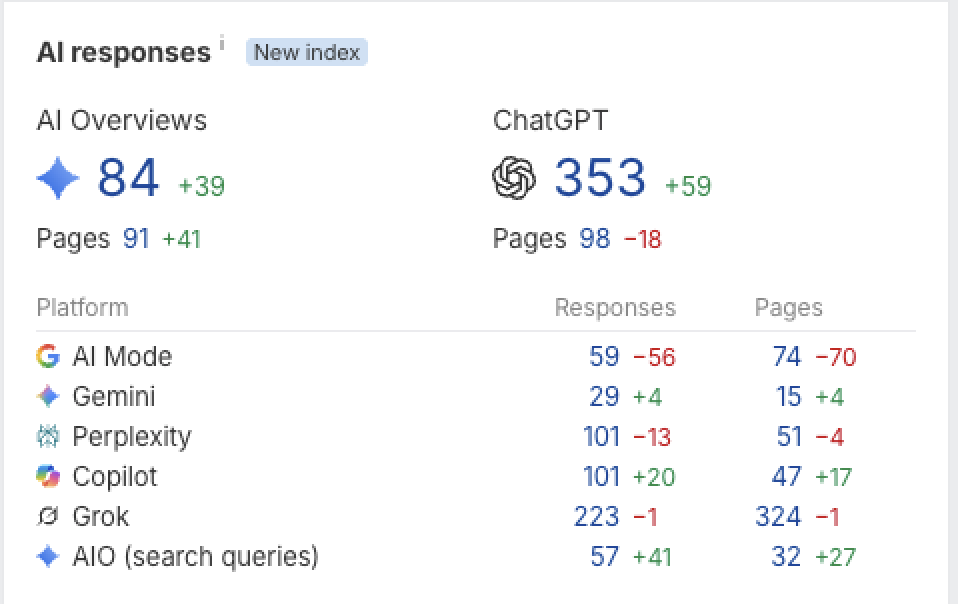
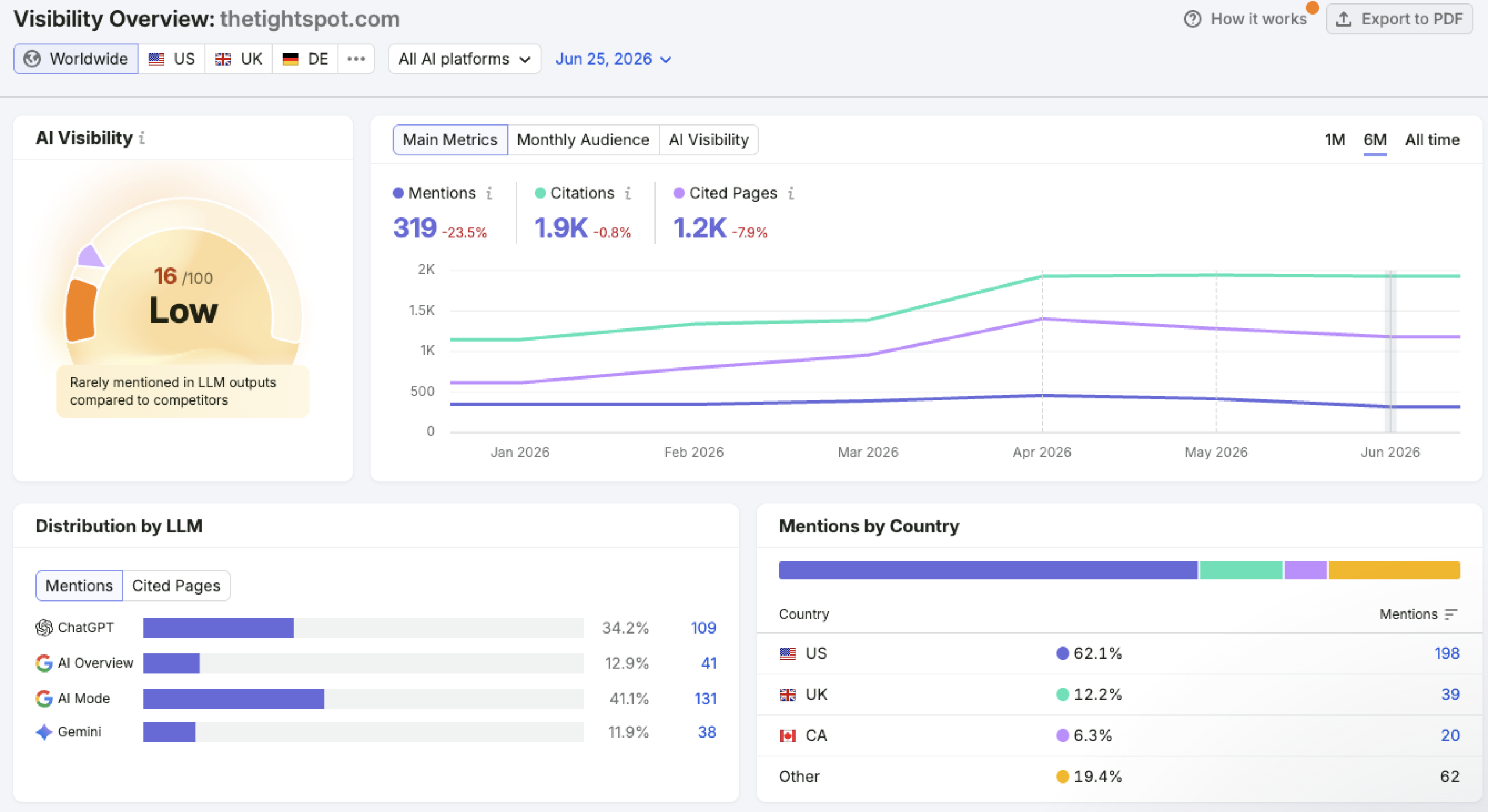
Unlike 2004, when Google became the only AI engine that mattered, no single AI rules. A brand’s strategy now needs to cover Google AI Overviews, ChatGPT, Perplexity, Gemini & Copilot all at once and stay on the current crawlable technical foundation too. It begins with the fundamentals that competitors often skip completely: auditing robots. Confirming that txt is not silently blocking AI crawlers (a typical problem for websites using the default Cloudflare protection settings), that content isn’t hidden behind JavaScript rendering or logins, and ensuring pages load as expected for bots as they do for millennial customers.
Why the Payoff Is Bigger Than It Looks
AI search learns from data till October 2023; it never replaces a Google click but converts at totally different rates. ChatGPT visitors convert at about 14%, Claude referrals at over 16.8%, and Perplexity at 10.5%, vs. just about a precipitous Google organic traffic average 1.76%. Someone who gets to your site after an AI assistant has vetted you and recommended you is arriving far more intent than someone scanning ten blue links.
Measuring What Actually Matters
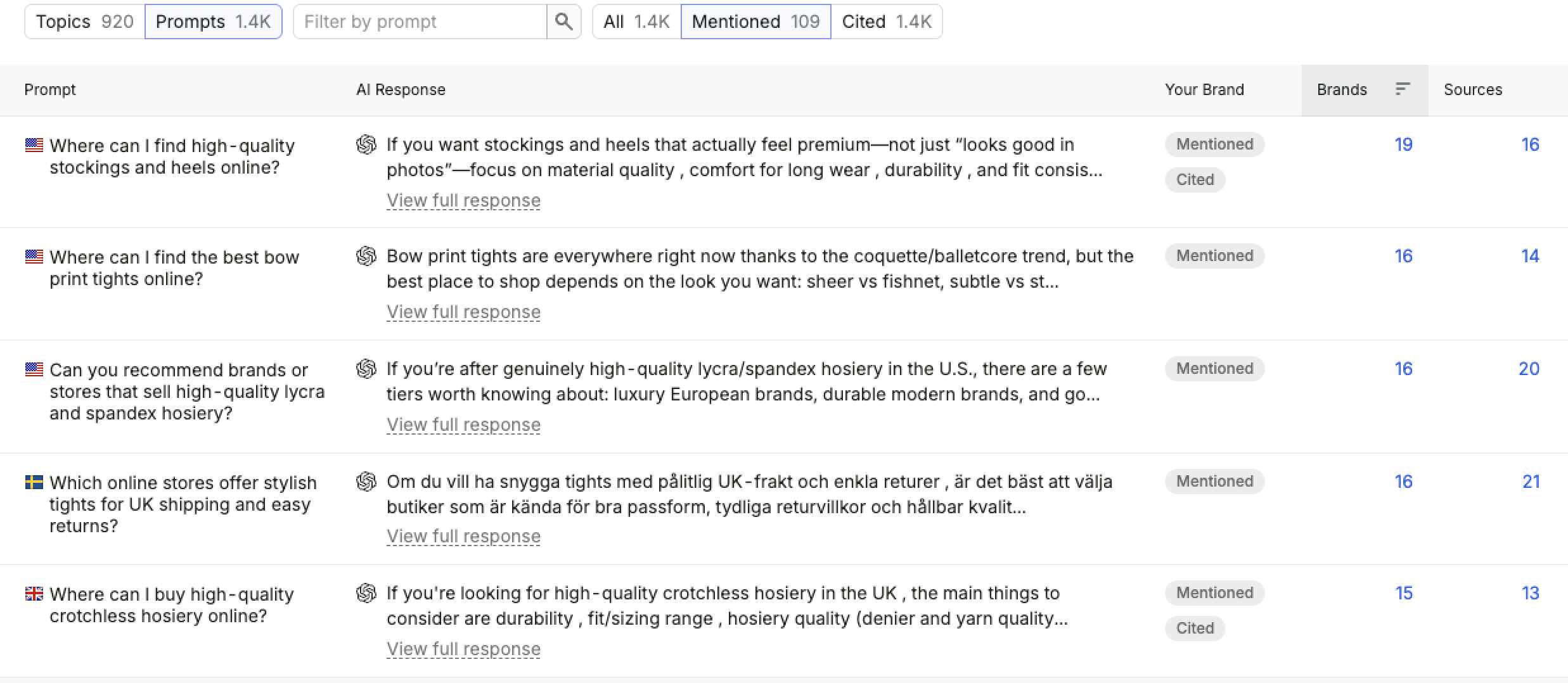
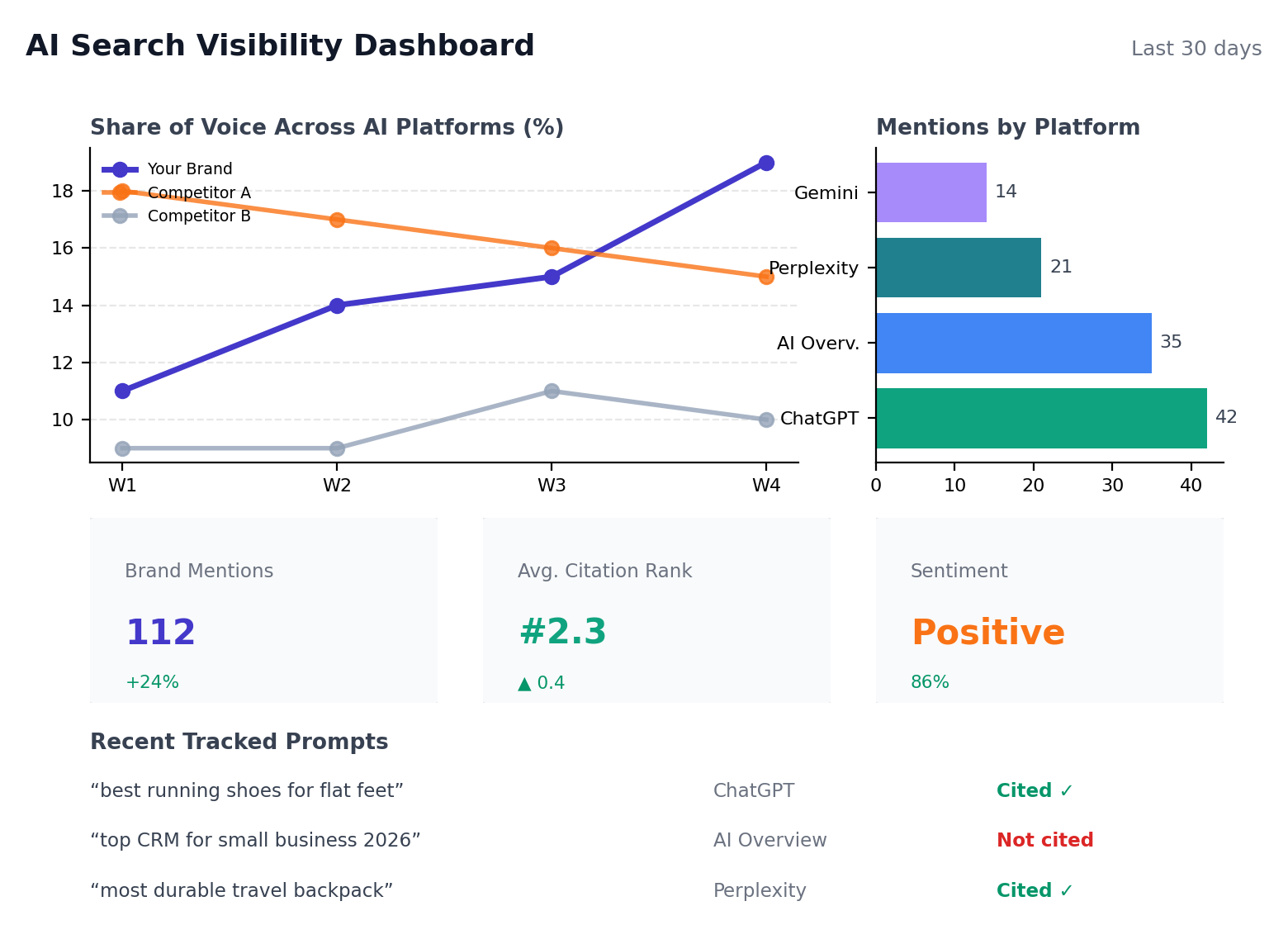
The biggest gaps in many marketing teams start not in strategy, but in measurement. Only about 14–16% of brands currently track AI search performance in any structured way (which is primarily due to our not building SEO dashboards for this yet). An AI answer has no “position 1”; there is no Search Console equivalent, and citations can swing 40–60% month on month. In practice, closing that gap involves asking ChatGPT, Gemini, and Perplexity the precise questions your customers are asking on the regular; who gets mentioned as a brand and by what source (be it ChatGPT or not) is logged; and brand mentions are tracked over time, all in the same kind of discipline SEO teams once used to track keyword rankings.
Conclusion
AI search optimization is not an alternative to SEO; it is the next chapter of SEO. The brands to be cited in 2026 will be the ones that treat structured data, question-first content, third-party credibility, and multi-platform coverage as part of a single system rather than separate checkboxes. Technical fundamentals matter, content quality is a higher bar than ever, and the door to accumulating citation authority before it compounds against late movers remains open. Brands that begin today won’t merely rank; they’ll be the solution.